

Precollege programs offer head start for teens
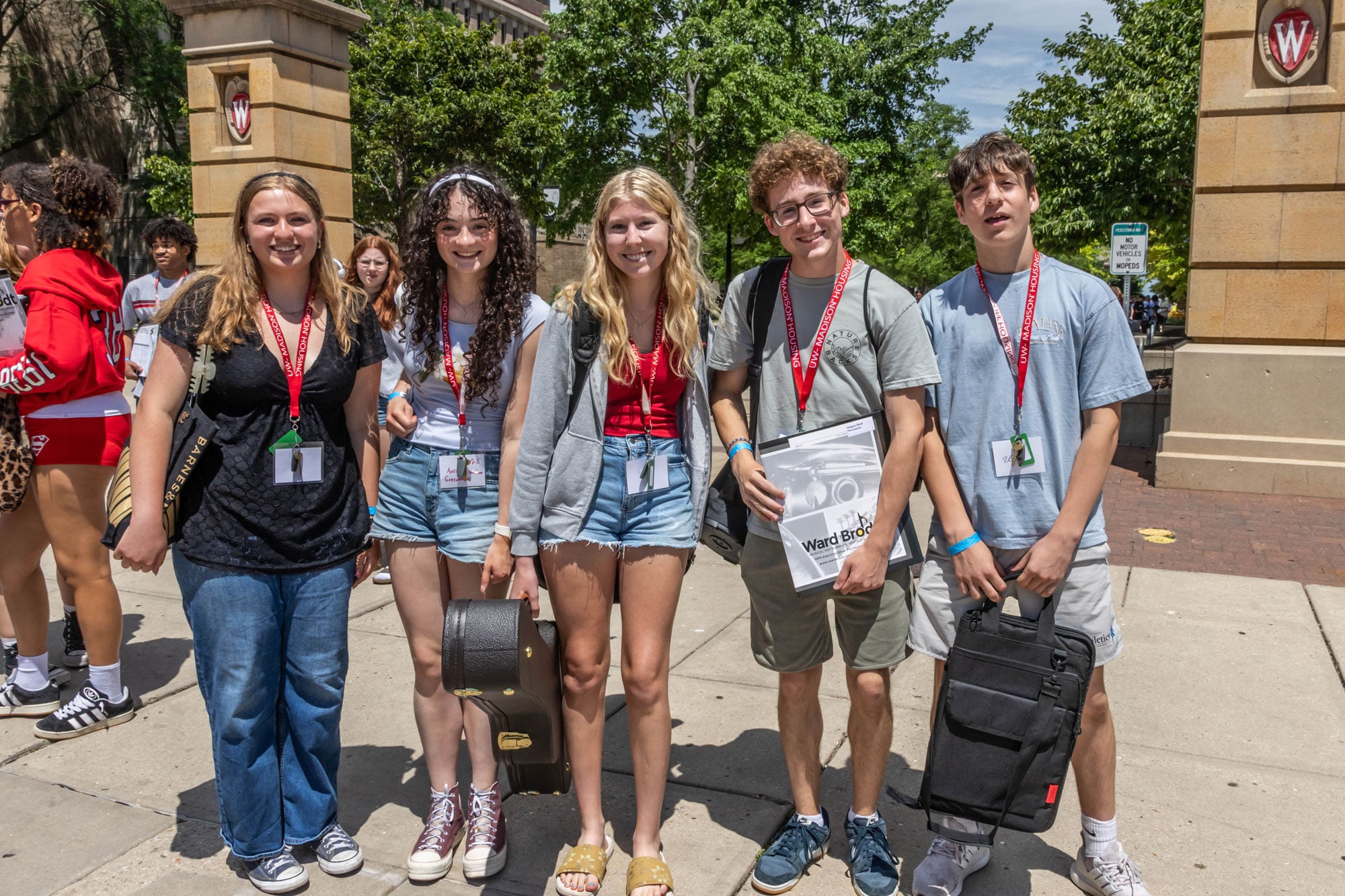
Five high school students in the UW–Madison Badger Precollege program walk together on campus.
The path to college can feel uncertain for high school students who haven’t yet experienced a college‑level classroom or lived away from home. Precollege programs, offered across the state and beyond, can help bridge that gap by giving teens a structured, supportive way to explore academics, build confidence and develop the skills they’ll need to thrive after graduation.
Precollege programs can have a particularly significant impact on first-generation college students, who face lower enrollment and completion rates due to limited access to resources, according to the National Center for Education Statistics. One study found that students who participate in such programs are 43 percent more likely to enroll in college, and that the benefits are even greater for low-income and underrepresented students.
Varied options for every interest
Precollege opportunities come in many forms. Colleges and universities across Wisconsin offer academic programs that vary in length, subject matter and format. Most take place during the summer and range from one‑week exploratory sessions to multi‑week residential experiences.
Residential programs offer the most comprehensive immersion in academics and campus life, though commuter and online options are also available. Some precollege programs may also offer high school or college credit.
Olha, Skyba, director of Badger Precollege at the University of Wisconsin–Madison, says noncredit programs like those offered by Badger Precollege provide high school students with a low-stakes environment to explore their interests.
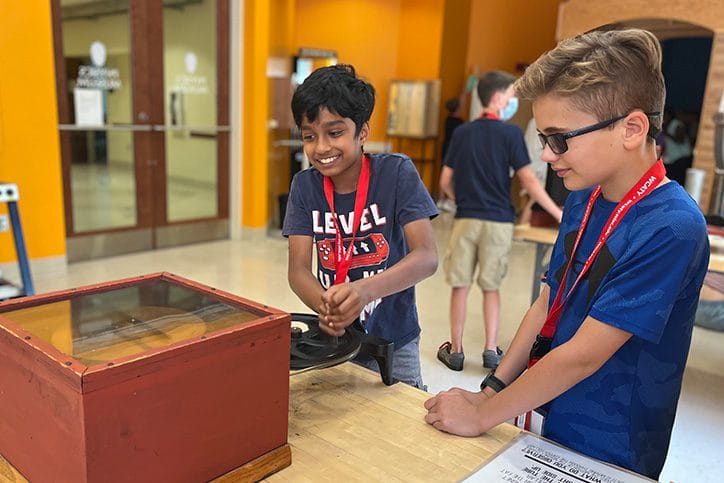
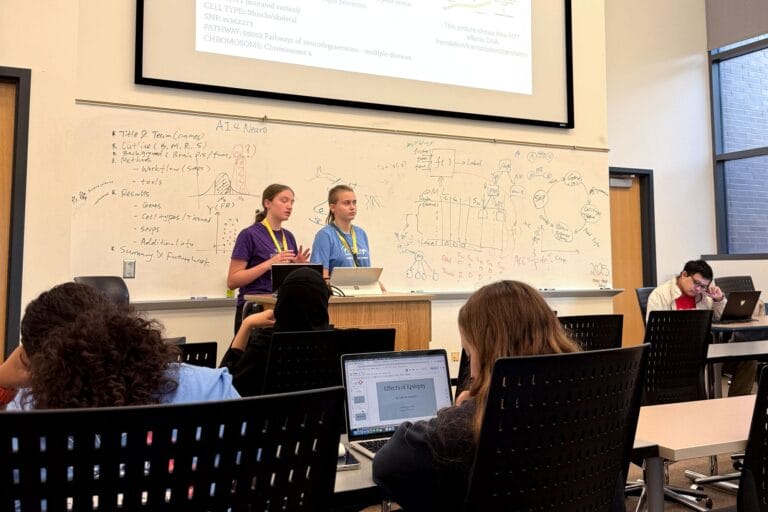
“Students can try college-level subjects not offered at their high schools — from engineering and medicine to journalism and the humanities — in a supported setting where grades aren’t a factor,” Skyba said. “They learn how to stretch their thinking in disciplines they may want to pursue academically and professionally, all while exploring the resources and culture of a college campus.”
Beyond academics, many other experiences help teens build college‑readiness skills. Study‑abroad programs, Outward Bound, 4‑H, camps and nonprofit‑run programs all give students opportunities to develop independence, navigate new environments and meet peers from different backgrounds.
Finding the right fit
Families can explore a wide range of options through search tools such as Summer Study in the USA (summerstudyinusa.org) or by using Google to look for programs tailored to a student’s interests.
Costs vary widely. Residential programs tend to be the most expensive because they include room and board, instruction and supervision, but they also provide the fullest picture of college life, notes Skyba. “Many colleges and universities, including those in Wisconsin, offer financial aid or scholarships to help make programs accessible to more students.”
A transformative experience
For many students, precollege programs become defining moments. One Badger Precollege participant shared, “It was super fun and pushed me out of my comfort zone in the best way. I feel so much more confident moving forward in my life.”
Whether a student is exploring potential majors, preparing academically or simply building confidence, precollege programs offer a meaningful head start — and a glimpse of the future they’re capable of creating.

The Lifelong Learner is a monthly feature written by UW–Madison’s Division of Continuing Studies staff. Stacy Iruk, an academic advising manager, can be reached at stacy.iruk@wisc.edu.
Post co-written by Jill Schafer.
This article first appeared in the Wisconsin State Journal on March 8, 2026.
Published on Mar 16 2026
Last Updated on Mar 23 2026
Categories: Adult Career and Special Student Services, News
Tags: college preparation, high school